The right flooring for a Greater Boston home depends less on style trends than on what the room does. A Somerville triple-decker basement has different moisture concerns than a Newton Colonial living room. A kitchen with a big dog needs a different surface than a bedroom on the second floor. Getting this decision wrong is expensive — flooring is not something you replace every three years.
Here is how the four common flooring types actually perform in Greater Boston homes, room by room.
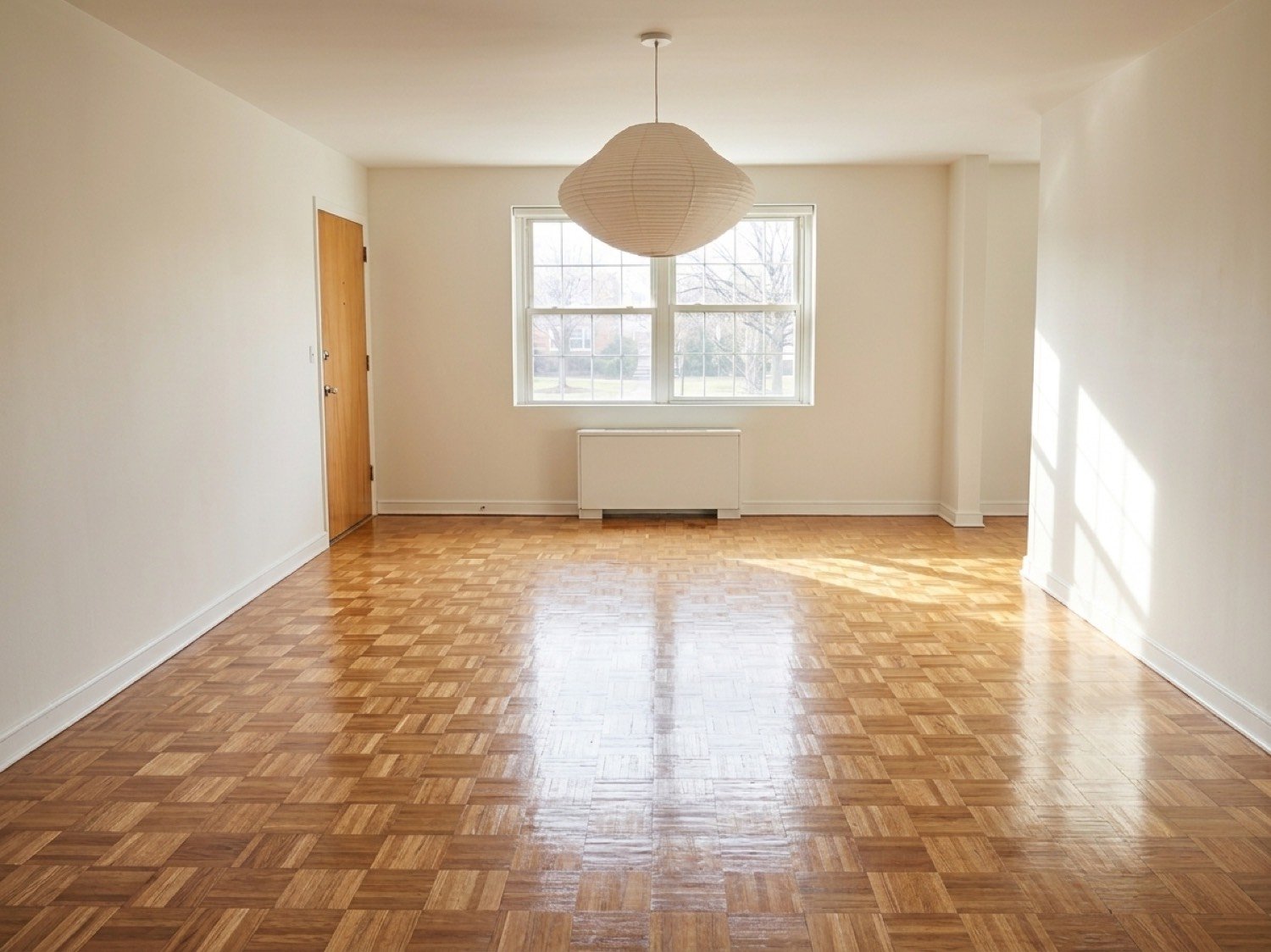
Solid hardwood
The traditional choice for Greater Boston homes, and still the best long-term investment for most main-level rooms. Solid hardwood can be sanded and refinished 6–8 times over its lifespan, meaning a single install can last 80+ years. Red oak is the New England default because it takes stain well and matches the existing floors in most older homes.
- Best for: living rooms, dining rooms, bedrooms, hallways on the main level or above.
- Avoid in: basements, bathrooms, laundry rooms, mudrooms.
- Cost installed: $10–$18 per square foot depending on species and grade.
Contractor's Note
Solid hardwood needs to acclimate to the room for 5–7 days before installation. Boarding the boxes in the garage does not count. Skipping this step is why some floors have gaps every winter.
Engineered hardwood
Real wood veneer over a plywood core. Stable, less prone to seasonal movement than solid hardwood, and installable in places solid cannot go — over concrete, over radiant heat, in basements. A quality engineered floor with a thick wear layer can be refinished 1–2 times.
- Best for: below-grade rooms, over radiant heat, wide-plank looks that would move too much in solid.
- Avoid in: heavy-wear commercial situations if wear layer is thin.
- Cost installed: $8–$16 per square foot.
Luxury vinyl plank (LVP / SPC)
The fastest-growing category in Greater Boston, and for good reason. Waterproof, dent-resistant, dog-friendly, click-lock installation over most subfloors, and modern versions look convincingly like wood. Not for anyone who wants the acoustic warmth or resale premium of real hardwood, but ideal for finished basements, mudrooms, kitchens with heavy use, and rental properties.
- Best for: basements, mudrooms, kitchens, family rooms with pets, rental units.
- Avoid in: formal spaces where resale expects hardwood.
- Cost installed: $5–$10 per square foot.
Tile (porcelain, ceramic, stone)
The permanent choice for wet rooms and mudrooms. Porcelain is the workhorse — hard, waterproof, and available in wood-look planks that fool everyone until they walk on them. Ceramic is fine for walls and light-duty floors. Natural stone is beautiful but requires sealing and specific cleaners.
- Best for: bathrooms, mudrooms, laundry, entryways, kitchens if radiant heat is planned.
- Avoid in: living rooms and bedrooms unless you want cold underfoot without radiant heat.
- Cost installed: $12–$25 per square foot depending on tile, pattern and substrate work.
The subfloor is what makes or breaks the install
Every failed floor we get called to look at fails for the same reason: the subfloor was wrong for the finish material. The specifics vary:
- Solid hardwood over an out-of-flat subfloor squeaks, cups and cracks — no amount of premium wood fixes that.
- Engineered plank over a damp basement slab without a vapor barrier delaminates within two years.
- LVP clicked over cracked concrete telegraphs every crack up through the surface.
- Tile over inadequate underlayment cracks along the grout lines within a season.
Real subfloor prep — flattening, moisture testing, appropriate underlayment or backer board — is 20–30% of the labor budget and 100% of whether the floor lasts. A contractor pricing below the range is usually skipping this step.
Refinishing versus replacing
Many Greater Boston homes have original hardwood under carpet or subflooring. Before you replace, check what is underneath. A red oak floor that looks destroyed will usually sand back to like-new for $4–$7 per square foot — a fraction of replacement cost. We open a small inspection panel on the first walkthrough to see what is really down there.
"Homeowners often want to replace what they could just refinish. The old-growth oak in a 1920s Boston Colonial is better material than anything you can buy new today." — Monteiro Crew
Timeline expectations
- Solid hardwood, 800 sq ft install: 3–4 days install, then 3–5 days for finish (water-based) or 5–7 days (oil-based).
- Refinish existing floors, 800 sq ft: 3–5 days start to finish.
- LVP click-lock, 800 sq ft: 1–2 days.
- Tile, 200 sq ft bathroom: 3–5 days including waterproofing and grout cure.
Add 24 hours to any wood floor before moving furniture back on, and a week before area rugs go down.
If you are weighing flooring for your own home — new install, refinish, or figuring out what is under the carpet — we are happy to walk the space and give you a straight answer about what the subfloor requires and what the finish material should be.